

2025 Verjus of Sauvignon Blanc
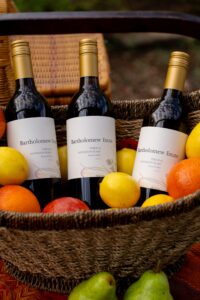 Estate Grown / Hand-Harvested
Alcohol free
Retail sales price $28.00
What is Verjus?
Somewhere between vinegar, wine, and sparkling grape juice sits verjus, a product made by pressing unripe wine grapes harvested early in the growing season. Our Verjus blanc is the unfermented, non-alcoholic juice of unripe sauvignon blanc grapes. Also known as “verjuice,” this “green juice” is a versatile alternative to lemon juice or vinegar in salad dressings, sauces, marinades, and non-alcoholic drinks, bridging the flavors of food and wine without competing with them.
Key characteristics:
- Flavor: Delicate, tart, and sweet with a crisp acidity, offering a softer flavor than vinegar.
- Non-alcoholic: It is grape juice, not fermented wine, making it suitable for non-alcoholic beverages and cooking.
- Versatile: A culinary ingredient used to add acidity to a variety of dishes.
How it’s used:
- Beverages: A base for non-alcoholic cocktails and mocktails or mixed with sparkling water and ice.
- Cooking: In making sauces, poaching fish and meat, and as a braising liquid.
- Salad dressings: As an acidic ingredient in vinaigrettes.
- Marinades: To add a subtle tartness to marinades.
Once our product is opened, we recommend keeping your verjus in the refrigerator. For freshness, use within 30 – 45 days after opening. If you’d like to extend the life of the verjus, pour juice into ice cube trays and freeze. Once frozen, transfer cubes into a freezer bag. Pop a cube or two out as needed.
Culinary uses for verjus
- Vinaigrettes and dressings: Because verjus has the same acidic properties as wine, it can be used to make dressings and vinaigrettes that won’t interfere with the flavor of a wine served with the meal.
- Pan sauces: Use verjus to deglaze a pan after cooking meat or fish to capture all the flavorful browned bits. Whisk it with some butter for a light, fruity, and acidic finish.
- Marinades: The gentle acidity of verjus is perfect for marinating poultry, meat, and seafood. It can also be used in marinades for ceviche.
- Poaching: Create poaching liquids for fruit or delicate seafood. For desserts, you can poach pears with verjus and spices like cinnamon or cardamom.
- Sauces for delicate proteins: Use white verjus to create sauces for chicken or fish, such as a beurre blanc.
- Reduced sauces and glazes: Like wine, verjus can be reduced to create a more concentrated sauce or glaze for roasted meats and vegetables.
- Substitute for other acidic ingredients: Use verjus as a less-aggressive replacement for lemon juice or vinegar in most recipes.
- Refreshing beverages: Mix verjus with sparkling water for a light, non-alcoholic spritzer. It also works well in cocktails as a mild and complex sour component.
Red vs. White verjus
Just like wine, verjus comes in both red and white varieties, each with slightly different flavor profiles.
- White verjus: Made from white wine grapes like Chardonnay, it has a crisp and tangy flavor with notes of green apple.
- Red verjus: Made from red wine grapes like Pinot Noir, Cabernet Sauvignon, and Merlot, it offers a more earthy flavor with notes of fig and prune.
Tips for cooking with verjus
- Keep it refrigerated: Since verjus is unfermented and non-alcoholic, it must be refrigerated after opening and will keep for a few months.
- Balance the acid: Verjus is less acidic than lemon or vinegar, so you may need to use a slightly larger quantity to achieve the desired level of brightness in a dish.
- Experiment in small doses: If you’re new to verjus, start by adding a little at a time, tasting as you go, to ensure you don’t overpower the other flavors in your dish.